
Best Skincare Ingredients for Dark Spots and Uneven Skin Tone

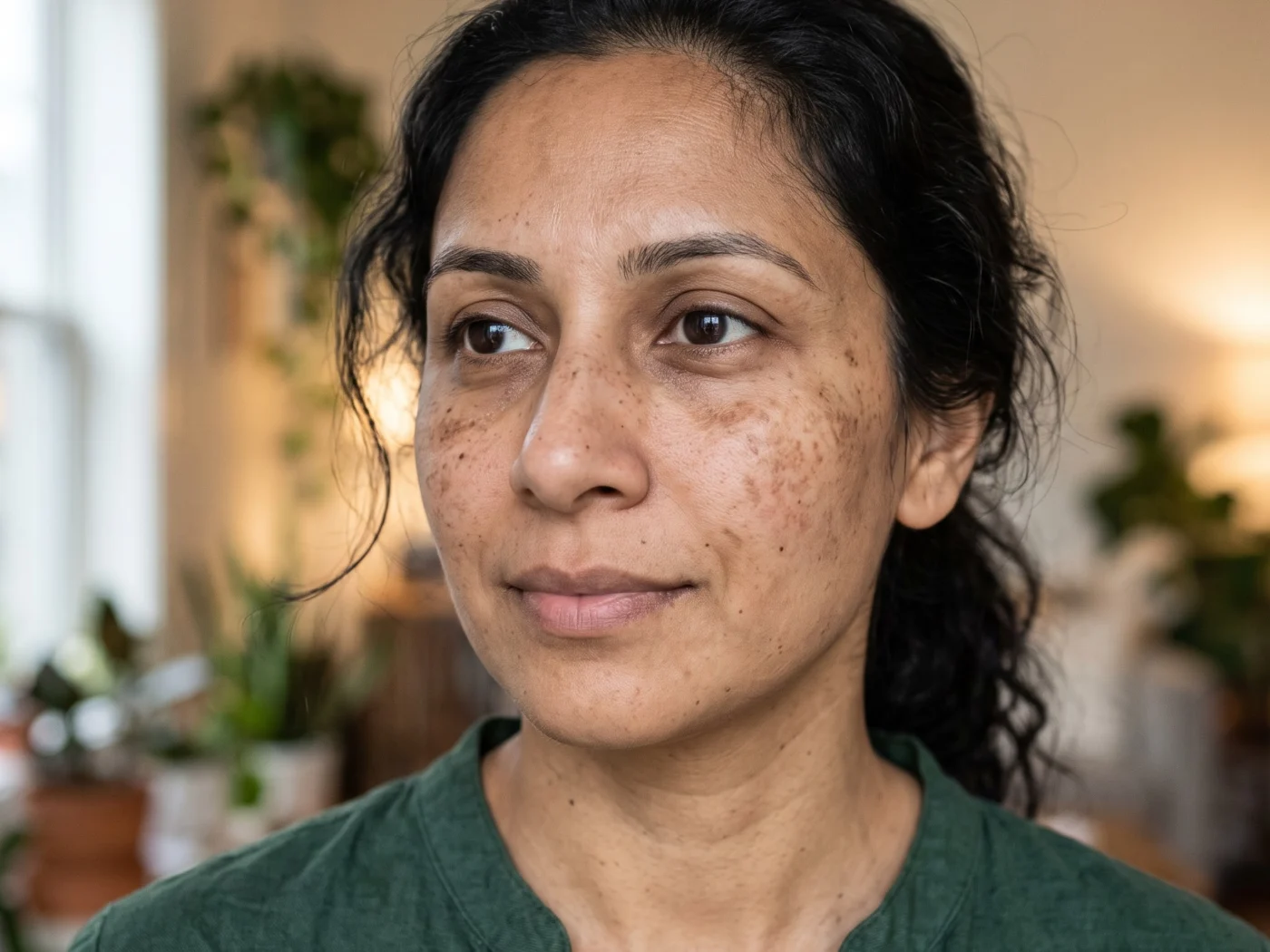
You peer into the mirror and spot a shadow where a blemish used to be, or a dark patch on your cheeks – or perhaps your skin just doesn’t look an even tone. You are not alone; dark spots and uneven skin tone are incredibly common skin issues around the globe, but they are also incredibly treatable with the right ingredients, patience, and one crucial addition every single day.
The Culprits Behind Dark Spots and Uneven Skin Tone
Your skin has a natural pigment produced by specialized cells to give it its color. When your skin produces too much of this pigment, it can bunch up in certain places and appear as dark spots on your skin. Some of the most common reasons for this include:
Sun Exposure
Years of unprotected exposure can result in blotches and sunspots appearing on skin.
Post-Blemish Marks
Post-blemish marks left behind from acne or irritation
Hormonal Imbalance or Pregnancy
Hormonal imbalance or pregnancy can lead to patches of dark skin appearing
Irritation or Scratching
Irritation or scratching can result in a dark patch
Ageing
As we age, our skin can renew itself more slowly, meaning pigment stays on the skin for longer than usual
Once you understand the root cause of your dark spots, it will be easier to treat. If you have a dark spot that looks strange or different to the rest of your skin, make sure to visit a professional instead of trying to treat it yourself.
The Best Ingredients for Fading Dark Spots
Below are some of the ingredient categories most proven to help brighten up dark spots and even out skin tone.
Brightening Antioxidants
These ingredients are excellent for protecting skin from environmental stress and preventing excess pigment production. Used consistently, they can brighten skin tone and make it appear more even and healthy. These are often recommended for morning use as part of a serum or moisturizer to prime the skin for sunscreen and offer an extra layer of protection. Look out for ingredients or terms like “brightening”, “radiance” or “anti-oxidant” on packaging.
Multitasking Tone Evening Ingredients
Some gentle ingredients can multitask to soothe the skin, maintain the skin barrier and reduce pigment transfer to the surface of the skin. Because they are generally tolerated well by all skin types, including sensitive skin, these are a great place to start if you’re new to treating dark spots.
Gentle Exfoliating Ingredients
Exfoliants help to lift away the top layer of skin to reveal fresh new skin underneath. This helps the skin to renew itself more quickly to fade dark spots, scars and pigmentation quicker. Search for products using terms “gentle exfoliants” or “resurfacing” and introduce them slowly to your skincare routine as over-exfoliating can cause irritation and create new dark spots. These ingredients should only be used a couple of times per week at the start.
Night-Time Renewal Ingredients
These ingredients are some of the most researched for reducing the appearance of dark spots and uneven skin tone. They help to accelerate the skin’s natural renewal cycle to encourage fresh, even-toned skin to rise to the surface. These ingredients are best left to work overnight and take some time to show results – usually around 8-12 weeks or even longer in some cases. They may also cause dryness or irritation at first, so it’s best to start using them sparingly and always apply sunscreen the next day. You should also speak to a medical professional before using these ingredients if you are pregnant or breastfeeding.
Licorice Root and Other Botanical Brighteners
These ingredients are derived from plants and used to help brighten up the skin. Generally milder than some of the other ingredient categories, these are a great option for sensitive skin types or if you’re looking for a gentler alternative.
Prescription Ingredients
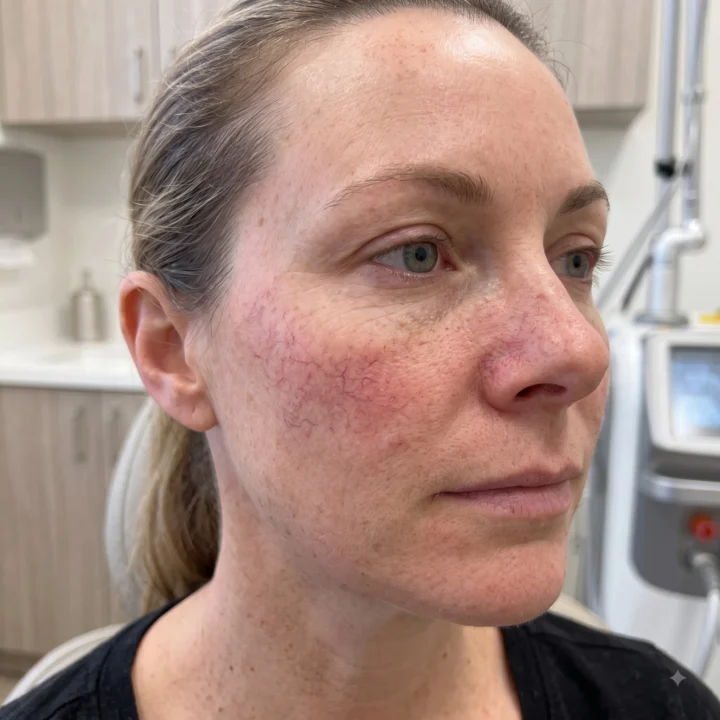
Sometimes, dark spots and uneven skin tone require a stronger treatment than what’s available over the counter. A dermatologist can help prescribe stronger treatments or recommend other professional treatments to help reduce dark spots and uneven skin tone.
The Most Important Step: Daily Sun Protection
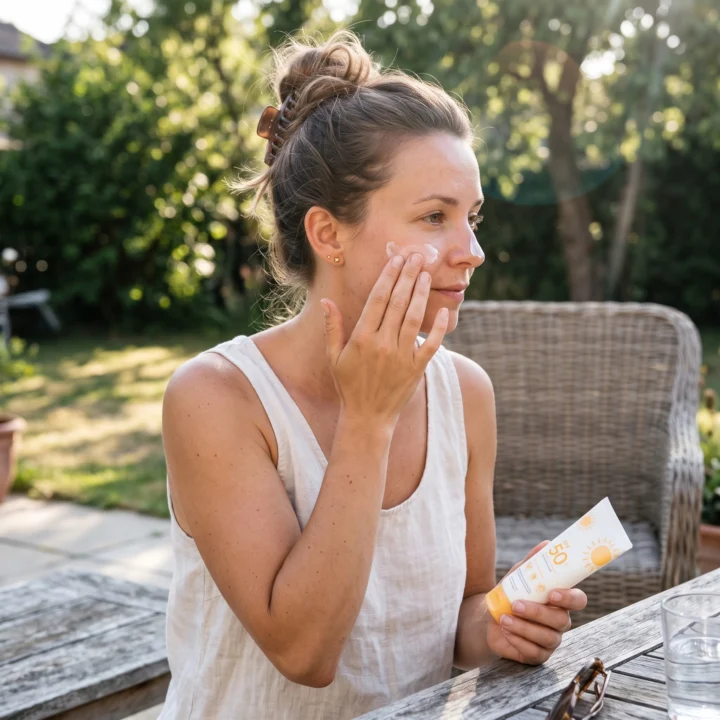
No matter how brightening your serum may be, the sun will always win. UV exposure is the number one culprit for causing dark spots and uneven skin tone, so protecting your skin from the sun’s harmful rays is the most important step in your skincare routine.
Make sure to apply a broad-spectrum sunscreen with an SPF of 30 or higher every morning, even on cloudy days or when you’re indoors or near a window. You should also make sure to reapply every two hours if you’re outside. Mineral sunscreens with tint can offer additional protection by helping to block visible light which can contribute to uneven skin tone.
Wear a hat and sunglasses on bright days to offer extra protection.
Build a Simple Skincare Routine
More products don’t always mean better, and when it comes to treating dark spots, a simple routine can be the most effective way to start.
Morning
- Gentle cleanser
- Brightening antioxidant serum
- Moisturizer
- Broad Spectrum Sunscreen
Evening
Gentle cleanser
Treatment product (night time renewal product or gentle exfoliant, introduced gradually)
Moisturizer to maintain the skin barrier
For the first few nights, you can alternate between using exfoliants and night time renewal ingredients or follow the advice of your dermatologist. As your skin gets used to the treatments, you can gradually increase the frequency.
Habits That Make a Difference
Avoid Picking at Your Skin
Avoid picking at your skin, as this causes inflammation and is a major contributor to dark spots.
Be Gentle With Your Skin
Avoiding rough exfoliants and hot water, which can cause irritation.
Be Patient With Your Skin
It takes time to renew itself, with many people noticing improvements after 8-12 weeks of treatment.
Always Patch Test
Always patch test any new product to avoid irritation that can cause dark spots
Consistency Is Key
Consistency is key when it comes to treating dark spots, so make sure to stick with your routine for best results.
Special Considerations for People With Darker Skin Tones
People with darker skin tones are often more prone to developing dark spots as a result of irritation, so it’s always best to take it slow and start with gentler ingredients. When building a skincare routine, it’s also best to speak to a dermatologist experienced in treating people with darker skin tones.
Final Thoughts
Treating dark spots and uneven skin tone is a long process, but there are several things you can do to begin seeing improvement. The best skincare ingredients for dark spots and uneven skin tone include a brightening antioxidant, a gentle tone evening ingredient, some gentle exfoliation or night-time renewal ingredients and most importantly, consistent sun protection. Be patient and kind to your skin, and always see a professional if you’re concerned about dark spots.
Frequently asked questions
Most people will start to see improvement after 8-12 weeks of consistent treatment, but it can take longer in some cases
It can depend on the person, but it's always best to introduce ingredients one at a time. Using multiple brightening ingredients at once can be irritating and counterproductive
The most common reason for this is sun exposure. Irritation or picking can also cause dark spots to get worse. Make sure you're using a gentle skincare routine and always wearing sunscreen to help prevent dark spots from getting worse.
Natural botanical brighteners can be an effective way to reduce the appearance of dark spots, but they tend to be gentler and take longer to show results. Stubborn dark spots may need a stronger treatment, so it's always best to talk to a dermatologist about your options.
You should see a dermatologist if you notice a dark spot that looks different to the rest of your skin, is changing in size or color, or if it begins to bleed. If your dark spots don't seem to be fading after a few months of treatment, it's also a good idea to seek professional help.

Comments 0