
How to Make Hair Grow Faster: 6 Tips for Longer Hair


Everyone wants to grow their hair longer, and faster. One search on the Internet will reveal a myriad of products and advice claiming to be the secret to exponentially quick hair growth. However, the truth is that biology does not allow such manipulation. On the other hand, there are ways of stimulating growth to reach your hair’s maximum potential, and caring for the hair so that the length is not lost as quickly.
This article aims to be a guide for distinguishing helpful and unhelpful methods of both growing out and retaining hair length.
Hair grows on average only 0.5 inches or 1 centimeter per month, which means that 6-7 inches of growth on average can be reached in a year.
This speed varies from person to person and depends on factors like genetics, age, ethnicity, sex hormones, and nutritional habits. The hair growth cycle has three phases. The anagen phase, which is the growth phase, can last 2 to 7 years, depending on the person. In the catagen phase, which lasts several weeks, hair growth slows down significantly. The telogen phase is the resting phase and lasts a few months before the hair sheds. Although genetics play a major role in hair growth speed, there are ways of supporting and stimulating growth and preventing hair loss.
Some people have the impression that their hair does not grow at all. This is usually because the amount of broken-off hair is equal to the amount of newly grown hair.
Therefore, it is useful to differentiate between growing hair and retaining hair. Two important things must be done – stimulate and support hair growth from the roots and prevent the breakage of already grown hair.
1. Eat Right
Protein-rich foods are essential in a diet including hair growth, as protein is the primary component of hair. The following nutrients are also essential:
- Iron – transports oxygen to the hair follicles, can be found in spinach, dates, lean meat, and pumpkin seeds
- Healthy fats – maintain the health of the scalp and hair, can be found in walnuts, flaxseeds, avocado, and fatty fish
- Vitamin C – helps the body absorb iron, found in amla, oranges, guava, and peppers
- Zinc – nourishes the follicles, found in chickpeas, sesame seeds, and cashews
- Water – keeps the hair and the scalp hydrated, can be found in water, coconut water, and soups
Crash diets and low-calorie diets can significantly slow hair growth. A balanced diet is much more beneficial for hair growth.
2. Take Care of the Scalp
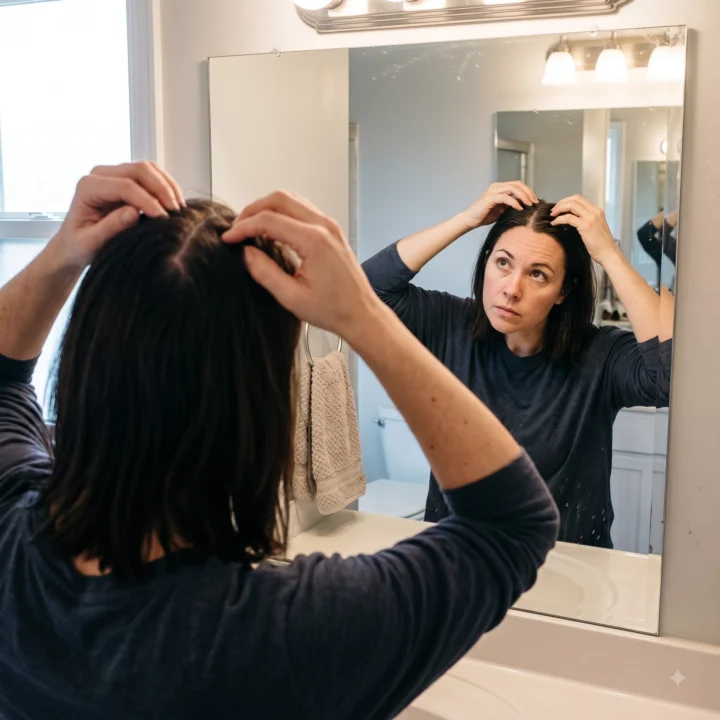
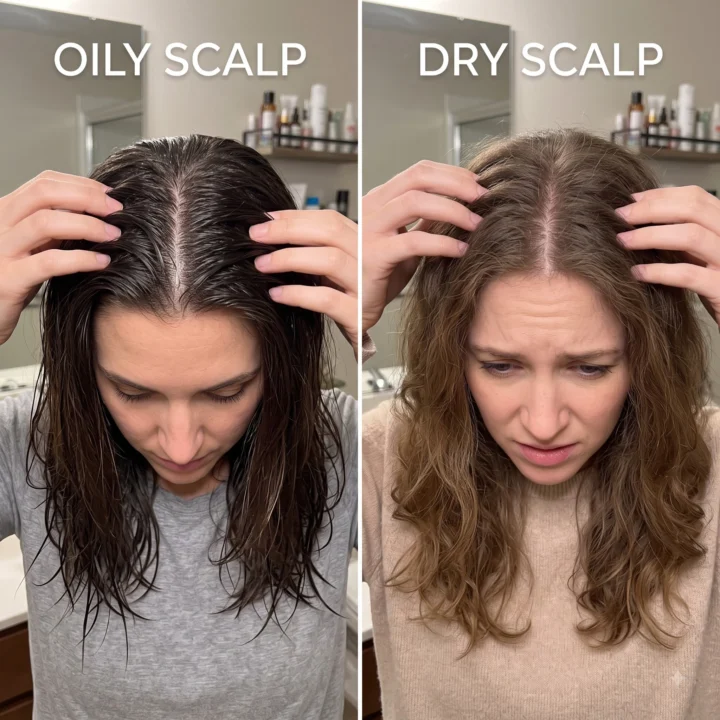
The health of the scalp is directly correlated to the health of the hair. A dirty and oily scalp or a dry and itchy one are not healthy habitats for hair follicles. Wash your hair frequently with a shampoo suitable for your scalp. Make sure to rinse conditioner and shampoo from your hair properly. Exfoliate the scalp occasionally to remove dead skin cells and product buildup. Keep the scalp moisturized.
Massaging the scalp is a pleasant way of stimulating hair growth. Do it three to five minutes a few times a week. Although there is not a definite answer on how much impact scalp massages have on increasing hair growth, massaging relieves stress and has a pleasant relaxing effect.
3. Prevent Breakage
Preventing breakage is one of the most important parts of growing hair. Most people can visibly improve the length of their hair by reducing breakage as it grows.
- Detangle hair from the ends upwards using a comb or a brush with wide teeth.
- Do not brush wet hair – it is more prone to breakage when wet. Limit the use of heat styling tools and use a heat protector spray when using them. Breakage can also be reduced by avoiding metal hairpins or hairbands and using silk or satin hair ties instead. As a nightcap, silk or satin scarves or pillows make hair slip less and cause less damage during the night. Chemical hair treatments can also be harmful, so it is important to limit their use.
Breakage prevention is crucial, especially considering that the older the hair is, the more likely it is to break.
4. Trim Split Ends
Although trimming does not make hair grow longer, it stimulates the growth of new hair and prevents further breakage. Split ends can cause considerable amounts of hair to break, especially if they are left untreated for too long. The split parting travels up the hair shaft, damaging it until it reaches the root, after which the whole strand is lost. To prevent this, the ends should be trimmed regularly. A half-inch trim every 10-12 weeks is a good average. If the hair is particularly damaged or frequently styled with heat, more frequent trims are necessary. If one is growing out a certain hairstyle, it is important to inform the hairdresser so that the trim can be done in a way that keeps the shape.
5. Take Care of Yourself
The state of the hair is directly connected to the state of the body as a whole and the central nervous system in particular. During periods of stress and illness, the hair growth cycle can be disrupted. Stress can push the hair follicles into the resting phase, causing hair loss several months after the stressful event. Although stress is an inevitable part of life, there are ways of managing it. Getting enough sleep and exercising regularly are helpful ways of reducing stress. It is also important to relax and have rest days and do things one enjoys.
Although good rest and reduced stress levels will not make the hair grow visibly longer overnight, they will improve the quality of hair and stimulate its growth.
6. Do Not Fall for Marketing Myths
There are numerous products and services promising to increase hair growth rate and make hair visibly longer in a short amount of time. Some of these products might feel nice and nourish the scalp, but most of the advertising claims are exaggerated.
A few things to consider about hair growth products:
- Onion juice and home remedies make hair grow longer overnight – These are mostly unproven myths. Some ingredients in home remedies can damage or irritate the scalp.
- Rosemary and essential oils stimulate hair growth – Essential oils might nourish the scalp and stimulate blood circulation. However, the evidence on their ability to accelerate hair growth is limited. It is advisable to dilute essential oils with a carrier oil before using them.
- Scalp massage devices increase hair growth – These devices might feel nice and stimulate the scalp, but there is no solid evidence on their effect on hair growth.
- Shampoos advertised to accelerate hair growth make hair visibly longer – Shampoos wash the hair, so their effects are strictly local. They can only make hair healthier.
- Masks made of egg, curd, and other ingredients make hair grow – Masks make the hair silky and smooth, but they do not accelerate hair growth.
In the case of serious hair loss and thinning, it is better to consult a specialist rather than try to stimulate hair growth on one’s own. A doctor can prescribe medications and recommend treatments that actually have an effect on hair growth.
Final Thoughts
Hair growth is a slow process, but there are many ways to maintain and stimulate it. The most important thing is to look after your hair and eat a healthy diet. If these things are done regularly and consistently, the hair will grow visibly longer and healthier.
Frequently asked questions
No, hair generally grows half an inch per month on average. It is possible to reduce the amount of hair that breaks off so that more hair grows, but it is impossible to double the growth rate.
Hair growth vitamins only work if the person is deficient in the nutrients they contain. If the diet is balanced, additional vitamins will not accelerate hair growth in any way. In cases of deficiency, vitamins should be taken only under the supervision of a medical professional.
Hair oiling nourishes the scalp, prevents breakage, and reduces friction between the strands, which helps maintain the length of the hair. However, oiling does not accelerate hair growth from the follicles
Most often, this is due to breakage. Split ends cause the hair to break and the strands to become shorter. Genetics also play a role in determining how long the hair can grow.
The scalp should be washed regularly, about two to four times a week, depending on how oily it is. Washing hair too seldom allows dandruff and product buildup to accumulate on the scalp, suffocating the follicles.
Comments 0