
The Perfect Crispy Baked Chicken Wings Recipe

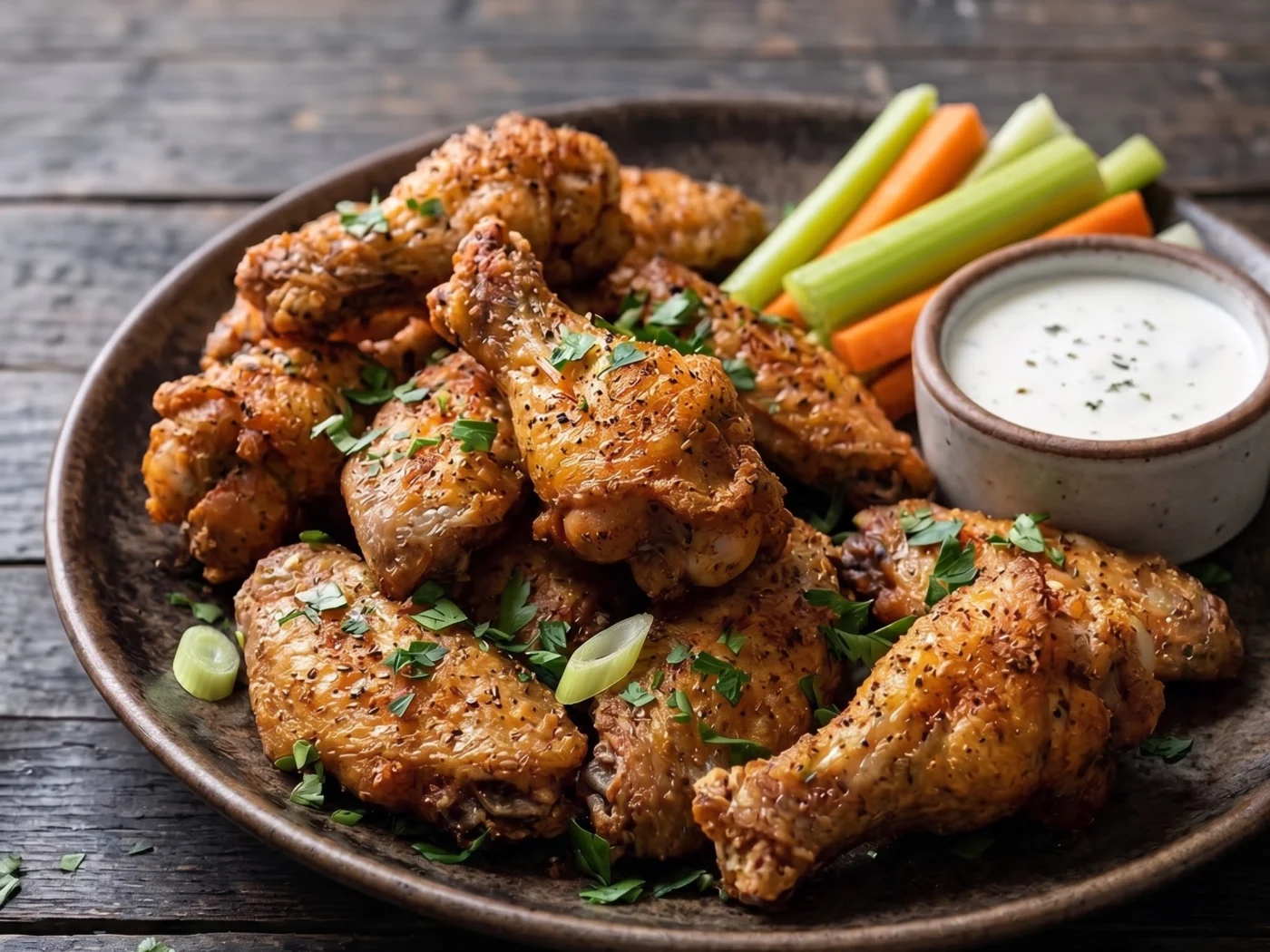
The USDA FoodData Central has the protein content for roasted chicken wing meat and skin at approximately 23.8 grams per 100 grams of the edible portion.
Golden skin, juicy and tender chicken without deep frying, crispy baked chicken wings. The key to this is having a hot oven, dry chicken skin, sufficient spacing, and adequate cooking time. Great for family dinners, game nights, party platters, and weekend snacks. Serve without a dry rub or toss after baking with Buffalo, barbecue butter, garlic butter, or hot honey sauce.
What should you do before baking the chicken wings?
Use fresh or fully-thawed chicken wings. When using frozen wings, thaw them in the refrigerator. Dry off each wing with paper towels. The surface dries up to cause browning rather than steaming.
If necessary, divide whole wings into drumettes and flats. Trim away any loose feathers or skin. Never rinse raw chicken—bacteria can be spread around the kitchen as the water splashes.
The wings can be seasoned several hours before baking for better texture. Some of the moisture is pulled up by the salt, and the refrigerator gives the skin a dry feel. Covered refrigeration is another of Serious Eats’ recommendations to dry chicken skin before cooking.
Should You Use Baking Powder?
Yes. A little baking powder can help to get a drier surface and help build a crisp skin. Baking powder is utilized in baked wing recipes by Food Network.
Do not use baking soda. Do not use baking soda – use baking powder instead. Baking soda is more alkaline than regular salt, and overuse can cause an unwanted taste.
What is the ideal temperature to make crispy baked chicken wings?
Set the oven to 425°F (220°C). This temperature will warm the wings sufficiently to brown the skin and cook the meat.
According to Food Network, cooked wings should be baked at 425°F and will typically take 45 to 55 minutes to cook to be very crisp. Another Food Network recipe calls for 450°F and a cook time of 25-30 minutes for the wings. The difference lies in the wings’ size, pan setup, and texture desired.
For this recipe, 425°F provides a nice balance of crisp skin and juicy meat.
Prepare the Baking Tray
Use parchment paper or foil to line a baking pan. If available, put a wire rack over the sheet. Lightly coat the rack with cooking spray.
To make hot air circulate the wings and to keep the fat off the ground, use a wire rack. The wings may also be directly placed on a lined baking sheet.
Place each piece, single layer at a time. Space between wings. When crowded, there is a formation of steam, and it can soften the skin. Food Network also says that air space between pieces of chicken will help prevent soggy skin.
How Long Should You Bake Chicken Wings?
Arrange the prepared tray in the center of the preheated oven. Place the wings on the baking tray and bake for approximately 45-55 minutes.
After approximately 20-25 minutes, turn the wings around. This will brown both sides equally. Prepare two baking sheets, swap the locations of the wings when it’s time to turn.
Begin to monitor the wings around the 40-minute mark. Smaller wings might cook faster. If the size of the wings is large, it may take longer.
The skin should be very shiny and tight. The meat should be loose, just away from the bone.
A Quick Reference Baking Chart
- Place seasoned wings on a prepared tray.
- Rotate the tray and turn the wings if necessary – 20 to 25 minutes.
- After 40 minutes, begin to look for changes in color and texture.
- After about 45-55 minutes, test for doneness in the thickest areas.
- Baking: Rest for a short time and then add sauce (if using).
How to Know When Chicken Wings are Done?
Color cannot be used as a sure indicator of safety for cooked chicken. Always use an instant-read food thermometer.
Place the thermometer in the middle of the meat, taking care not to touch the bone. For all poultry, the USDA says the minimum internal temperature should be 165°F (73.9°C).
If the wings are still below 165°F, but the skin is still lacking color, bake for several minutes longer. Keep an eye on them in the last phase as the skin may turn black rapidly.
Why Does the Skin Become Crisp?
The skin of chickens is moist and plump. The heat from the oven will help render the fat, and moisture will boil off the surface. After the surface dries, the skin may get brown and dry.
Therefore, drying the wings before seasoning is important. It is also for this reason that you should not fill the tray to the brim.
When Should You Add Sauce?
Drizzle with sauce after the wings have crisped. This will ensure the baked skin remains firm.
You want to fry chicken wings until they are crispy and golden. Place in a large bowl and toss with warm Buffalo sauce. Serve immediately.
The dressing can be sprinkled on as a thin coating in the last couple of minutes for BBQ wings. Food Network does the same with sauced baked wings: It adds the sauce during the baking and returns the wings to the oven.
Save the maximum sauce sauce sauce sauce sauce sauce.
Dry rubs can also be used with this baked chicken wings recipe. Use smoked paprika, garlic powder, onion powder, black pepper, cayenne, or a small amount of brown sugar.
What to Do to Make Baked Wings Crispy?
Wings should be served immediately after baking. If you cover the hot wings tightly, the steam could soften the skin.
If they must be kept for a brief period, put them on a wire rack, not in a bowl. This allows air to circulate on the surface.
Don’t put hot wings in a container right out of the pan. Confined steam will make crisp skin soft.
Also, don’t add a lot of thin sauce to crispy chicken wings. A thick layer will add moisture and alter the texture significantly.
How should leftover wings be stored and reheated?
Refrigerate leftovers immediately in a covered container, after letting them cool down a little. Refrigerate at 40° F (4°C) or lower.
For optimal texture, reheat wings in a conventional oven or an air fryer rather than a microwave. Preheat in the oven until thoroughly heated. USDA says leftovers must be reheated to 165°F (73.9°C).
A hot oven will allow some of the crispness to be regained. When reheating wings, don’t cover them because the steam will seep into the skin.
What are the mistakes to avoid?
Starting With Wet Wings
Crisping is more difficult in moist conditions. Do not season until the wings are dry.
Filling the Pan
Space between pieces. To aid in the skin’s browning process, it is crucial to maintain adequate air circulation.
Using Too Much Oil
Fat is already a feature in wings. No more than a light coating is needed.
Adding Sauce Too Early
The wet sauce may cause the skin to become soft. Most sauces need to be added after baking.
Skipping the Thermometer
Avoid using only colour. Ensure the thermometer is reading 165°F in the thickest point.
The Removal of Wings Too Early
The skin might not be crisp if golden. Allow the wings sufficient time to be rendered and dry.
Finally
Dry skin and a pre-heated oven are the keys to the best crispy baked chicken wings. For most batches, use 425°, place them in one layer, turn them halfway, and let them bake for about 45-55 minutes. Test the temperature after cooking and drizzle with sauce while the wings are still hot and crisp.
Frequently asked questions
Yes. Baking powder helps the skin crisp, but you can still bake wings without it.
Both work well. Thaw frozen wings completely in the refrigerator before baking.
Dry skin helps the wings brown and crisp. Excess moisture can create steam and soften the skin.
A rimmed baking sheet works well. It catches rendered fat and keeps the cooking area cleaner.
Dry the wings well, avoid overcrowding, use a hot oven, and allow enough cooking time.
Comments 0