How to Build a Healthy Scalp Routine for Hair Growth

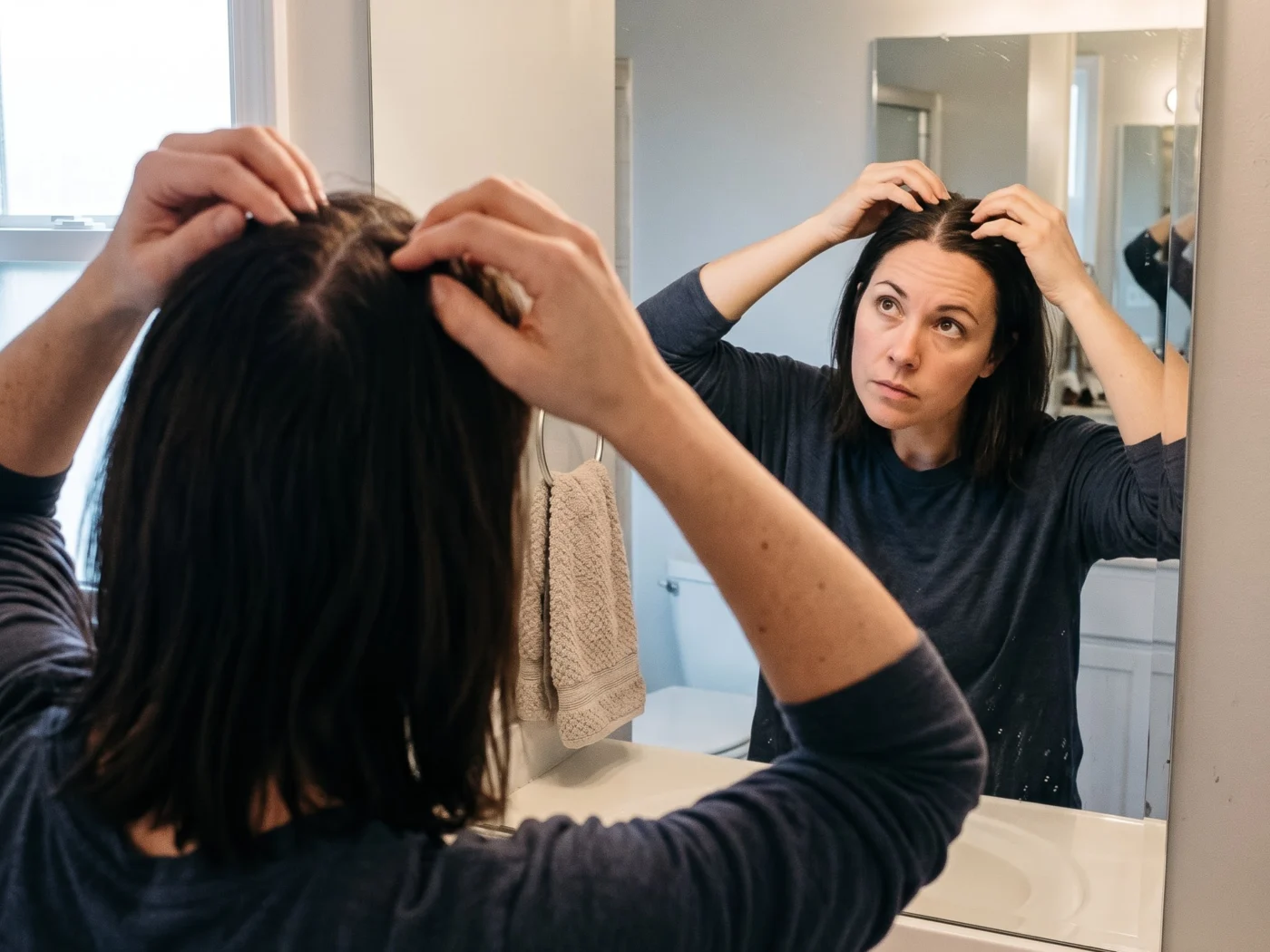
From spending hours and thousands of rubles on it, we love our hair, but the skin on which it grows does not get nearly as much attention. The truth is that your hair health is related to your scalp condition. After all, this is where the hair grows, so the scalp is essential for beautiful, voluminous hair. If the scalp is unhealthy, the hair will also be unhealthy.
A healthy scalp routine itself is nothing intricate; it is just a collection of advice. In this article, you will find information about why healthy scalp is important, what a good
Healthy scalp routine consists of, and how to customize it.
Why Is Scalp Care So Important for Hair?
Every hair grows from a hair follicle and, therefore, the state of this part of the skin is directly related to the state of the hair. To grow strong and healthy hair, you need to create optimal conditions for the hair follicles. A healthy scalp will ensure that they do not become clogged or irritated and regularly eliminate dead cells. Scalp integrity is closely linked to hair condition. An oily, dry, or irritated scalp will lead to unhealthy hair.
Perhaps, you should think of your scalp as soil where hair roots are located. It is not a fact that watering the top of the plant will make its root system grow stronger. Only proper care of the soil will ensure that the plant has strong roots, just as a healthy scalp will ensure that the hair is strong and healthy. To achieve this, you should take care of your scalp as you would take care of any other part of your body.
On the other hand, it is important to remember that a healthy scalp is not a miracle cure for baldness or thinning hair. Healthy roots can only do their job to the maximum extent – grow strong and healthy hair.
What Does a Healthy Scalp Routine Consist of?
A good routine has several basic elements, although you do not necessarily have to follow them all. The following scalp care techniques may be used as a basic menu:
- cleansing the scalp of excess oil, sweat, and dead cells;
- exfoliating to remove the top layer of dead cells;
- massaging to stimulate blood circulation;
- moisturizing the skin to maintain a healthy pH balance;
- protecting the scalp from external factors.
Let’s take a closer look at each of these scalp care steps.
How to Wash Your Scalp Properly?
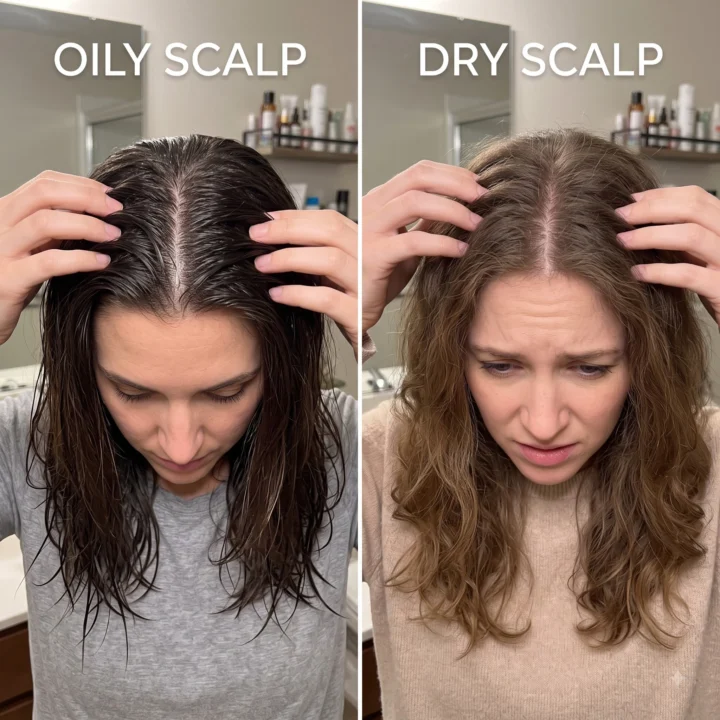
Washing is the most critical step in proper scalp care. To start with, you need to choose a suitable shampoo, depending on the type of your scalp. If it turns out to be very oily, you need to use a purifying or clarifying shampoo with a reasonable pH level. If your scalp tends to be dry and itchy, choose a moisturizing or volumizing shampoo. Then, wet your hair with warm water, apply a small amount of shampoo to your fingertips, and massage it into the scalp with circular movements. Do not use nails to scratch the skin.
It is also essential not to massage the shampoo into the hair itself. This is needed to remove dead skin cells clogging hair follicles. Finally, rinse until the water running off the hair is completely clean. Stagnant shampoo irritates the scalp, causing flakes and dryness.
How Often Should the Scalp Be Washed?
How often should the scalp be washed? It depends how oily or dry it is.
| Type of Scalp | Recommended Scalp Washing Frequency |
| Oily | Every 1-2 days |
| Normal | Every 2-3 days |
| Dry | Every 3-4 days |
| Very curly hair | Every week or as needed |
How to Exfoliate the Scalp?
Exfoliation is another crucial procedure in processing the scalp. Specialists recommend performing scalp exfoliation at a frequency of once a week. This will help get rid of dead skin and excess oil accumulating on the scalp and negatively impacting the hair roots. There are different kinds of scalp scrubs like brushes with soft silicone bristles and scrubs made of fine granules. Both types are suitable for scalp exfoliation. Having a damp head will facilitate the procedure of getting rid of dead skin completely.
Apply the scrub onto the scalp and massage it for 1-2 minutes using gentle movements. Rinse your head with water afterward. Exfoliation cannot be painful for the skin, so you should avoid excessive pressure when applying it. If your scalp is very sensitive, you shouldn’t do this proces more frequently than once a month.
How to Massage the Scalp?
Massaging the scalp is probably one of the most pleasant procedures in the entire healthy scalp routine. It is so simple, yet so effective. Just a few minutes of massage will help to relieve tension, distract you from stressful events, and promote relaxation. Additionally, scalp massage improves blood circulation, thus stimulating hair growth.
There is nothing difficult about massaging the scalp. Just take a few minutes every day and start massaging. Put your fingertips on the scalp, using the flesh of your fingers rather than the nails. Lightly press and massage in small circles. Next, move from the temples to the back of the head, massaging all the way to the nape.
Do this for 3-5 minutes. You can do it either on dry hair, with or without oil, or while washing your hair. Some people have noticed that the scalp massage actually helps them lose tension. It is impossible to say with complete confidence whether this procedure stimulates hair growth, but it certainly helps to feel good.
How to Moisturize and Nourish the Scalp?
The scalp is the same as the facial skin; it also needs moisture. A good option for nourishing the scalp is a lightweight serum that will restore the skin’s pH balance and relieve irritation. Coconut oil, almond oil, or jojoba oil can be used to moisturize the scalp. Warm a few drops of oil in your hands, and apply them to the scalp in thin layers, parting the hair. The more problematic the scalp is, the more often it needs to be nourished.
However, you should know a few rules regarding scalp moisturizing and nourishing:
- Do not use too much oil since it can clog the pores;
- Be sure to remove the oil before bedtime;
- If you have a sensitive or irritated scalp, do not use new products until the irritation subsides.
How to Protect the Scalp?
Protecting the scalp from the outside is another essential step in scalp care. You must protect your scalp from the scorching sun, because sunburned skin is itchy and irritated. Also, tight hairstyles damage the scalp, especially if they are worn every day. Hot hair styling tools also burn the skin, so it is a good idea to get used to wearing your hair loose or tying it up in a loose ponytail. Last but not least, clean brushes and combs are essential for a healthy scalp, as are regular pillowcase changes. Pillowcases absorb oil, dead cells, and sweat at night, so it is a good idea to change them at least once a week.
Nourish the Hair from Within
The above-mentioned steps are entirely focused on the external scalp care, but a healthy diet is also vital. After all, the scalp is part of the skin, so it is essential to get rid of the factors that negatively affect the skin in general. Protein, healthy fats, vitamins, trace elements, and water are beneficial for the skin and hair. The most important nutrients for the scalp and hair are described in the following table:
| Nutrient | Why it is Beneficial for the Scalp and Hair | Food Sources |
| Protein | Helps the body synthesize hair follicle cells | Eggs, lentils, fish, paneer, legumes |
| Iron | Supplies the follicles with oxygen | Spinach, dates, jaggery, pumpkin seeds |
| Omega-6 and 3 Fatty Acids | Prevent the skin from drying | Walnuts, flaxseeds, fish |
| Vitamin C | Assists in the synthesis of collagen, reduces the risk of follicle inflammation | Amla, citrus fruits, guava |
| Zinc | Helps maintain the health of the skin, repairs damaged follicles | Sesame seeds, chickpeas, cashews |
Remember that good rest, sleep, and reduced stress levels also have an effect on the scalp and hair. In fact, the effects of stress can be seen in hair condition. If a person has been under stress for a long time, the changes will manifest themselves in about six months. Therefore, it is essential to take care of not only the scalp and hair but also of the body as a whole.
The Bottom Line
A healthy scalp is the key to healthy hair. You do not have to do anything particularly difficult for it. Just wash and exfoliate it properly, massage it, and protect it from the outside world. Moreover, it is essential to eat right and take care of your body. All of the above scalp care steps will allow you to achieve a healthy and beautiful scalp and, as a result, good hair.
Frequently asked questions
A properly developed scalp care routine will deliver results in about two to four weeks. However, it will take about three to six months for the changes to manifest themselves in the state of the hair, given that the average monthly growth of hair is about half an inch.
It depends on who is asking. For the average person, it is hard to imagine a reason not to do a scalp massage. This procedure is simple, quick, and extremely beneficial. A daily 3-minute scalp massage will help reduce stress, improve circulation and stimulate hair growth. However, if you are a person who does not like self-care procedures, you should not force yourself to do things you do not like.
You can, but it is not recommended. You may notice that you need to adjust your scalp care depending on the season: in the summer, you need to wash your hair more often, and in the winter, you need to moisturize your scalp more carefully.
It is best to oil the scalp no more than two times a week. Daily application of oil damages the hair and makes it harder to remove.
A healthy scalp creates optimal conditions for hair growth. However, a thinning scalp can indicate a number of different problems. If you suspect you have a disease or disorder, consult a dermatologist for an examination and diagnosis.
Comments 0