
Oily Scalp vs. Dry Scalp: Signs, Tests and Care

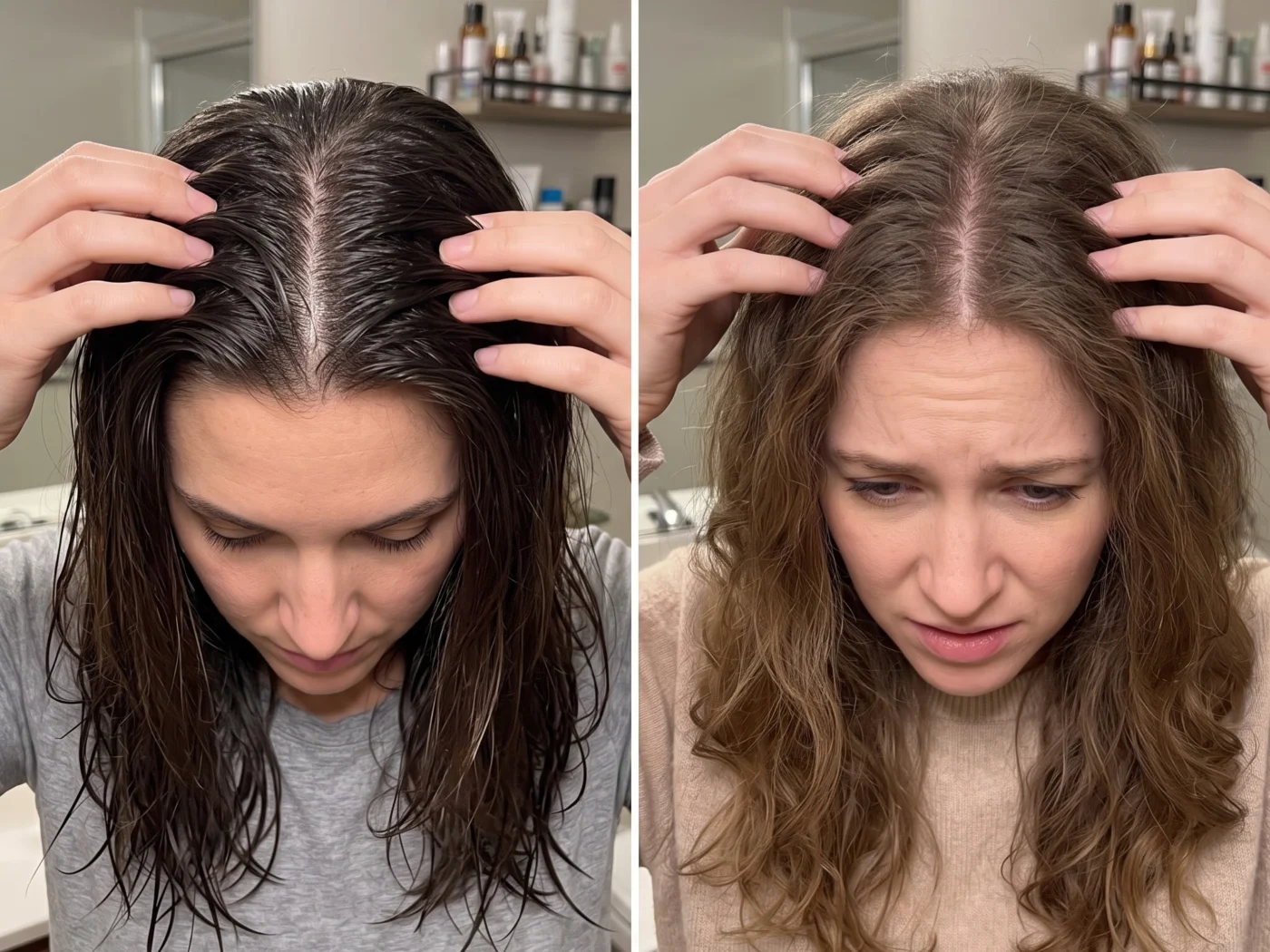
Does your scalp itch, flake, or feel oily by the end of the day? At some point, most of us have wondered if our scalps are too oily, too dry, or just right. The challenge is that these two conditions often have similar symptoms, and the wrong type of care can exacerbate the problem. Fortunately, there are simple tests to determine which type of scalp you have. Once you have identified your scalp type, it is much easier to choose the proper hair care products and treatments.
Why Knowing Your Scalp Type Matters
Much like the skin on the rest of your body, your scalp produces oil to keep your hair healthy. Sebaceous glands located near the hair follicles produce an oily substance known as sebum. Sebum production is normal and keeps your hair looking glossy, healthy, and supple. However, overproduction can weigh down hair and clog pores. Insufficient production can lead to itchy, flaky, and dry hair and scalp. In addition, imbalances in sebum production often lead to unhealthy hair and a less-than-ideal appearance.
Recognizing the Signs of an Oily Scalp
An oily scalp produces too much sebum, often leading to greasy-looking hair and an uncomfortable feeling. In addition, people with this type of scalp often experience the following symptoms:
- Greasy or limp hair within a day of washing
- Flat roots
- Slick or waxy feeling scalp
- Yellow, greasy flakes of skin on the scalp and hair
- Smelly hair by the end of the day
- Pimples along the hairline or on the scalp
People with oily scalps often find that their hair becomes heavy even when it is clean. In addition, they may experience a compulsive need to wash their hair due to the uncomfortable symptoms they are experiencing. This constant washing can lead to a vicious cycle of irritation and oiliness, which we will discuss later.
Recognizing the Signs of a Dry Scalp
A dry scalp does not produce enough oil or loses the oil it produces, leading to uncomfortable symptoms. Excess dryness causes the following effects:
- Tight, rough, or stretched skin on the scalp
- White, powdery flakes that fall onto the shoulders
- Itchiness that is worse in the winter
- Dull, dry, or frizzy hair
- Pale, dry, or flaky skin
- Itchiness and tightness that is soothed by moisturizing treatments
Dry scalp flakes are typically smaller and whiter and are often mistaken for dandruff. Also, these flakes are powdery and tend to stick to dark clothing. As mentioned above, dryness often causes the skin to feel tight and uncomfortable.
Oily Scalp vs Dry Scalp: A Comparison
Because dry and oily scalps have similar symptoms, it can be helpful to compare the signs and symptoms of these conditions.
| Feature | Oily Scalp | Dry Scalp |
| Appearance of hair after 24 hours | Greasy, flat, clumpy | Dull, dry, frizzy |
| Feel of the scalp | Slick or waxy | Tight, rough, itchy |
| Type of flakes | Large, yellow, and sticky | Small, white, and powdery |
| Overall appearance of the skin | Shiny with occasional pimples | Pale, dry, and flaky |
| Seasonal worsening of symptoms | Warm, humid weather | Cold, dry weather |
| Improvement after washing | Feeling refreshed for a short time | Feeling tight after washing |
If a particular scalp type describes you more than the other, you can be fairly confident that this is your scalp type. However, it is also possible to have a mix of the two scalp types, with your scalp being oily in the crown and dry on the sides or the other way around.
Simple Tests to Determine Your Scalp Type
You do not need to visit a professional to determine your scalp type. Instead, you can use the following home tests to identify your scalp type.
Tissue Test
After washing and drying your hair, part your hair in several places the next morning and use a clean tissue to wipe your scalp. The more oil on the tissue, the more oily your scalp is. On the other hand, if the tissue does not come away with any oil, you have a dry scalp.
Day Two Test
Do not wash your hair for a day and observe how it looks and feels on day two. If your hair looks greasy and limp at the roots, you have an oily scalp. On the other hand, if your hair looks flat and dry and your scalp feels itchy, you have a dry scalp.
Fingertip Test
Run your fingertips along your scalp a few times and then rub them together. If they feel slick or greasy, you have an oily scalp. If they feel dry and papery, you have a dry scalp.
Flake Test
Use your fingers to gently scratch some flakes from your scalp and examine them on a dark surface. If the flakes appear small and white and crumble easily, you have a dry scalp. If the flakes are large, yellow, and greasy-looking, you have an oily scalp.
Why the Wrong Hair Care Practices Are Worsening the Problem
An oily or dry scalp often develops due to the wrong hair care practices. If you have an oily scalp, washing your hair with a very oily shampoo too often can cause your scalp to become irritated and produce even more oil. Similarly, if you have a dry scalp, hot showers and frequently washing your hair with a very oily shampoo can cause your scalp to lose the little oil that it produces.
Other practices and conditions that can aggravate your scalp include:
- Hot showers and water
- Using heavy styling products
- Not completely rinsing out shampoo or conditioner
- Scratching your scalp
- Poor sleep and increased stress levels
- A diet that is too high in fat and sugar
How to Care for an Oily Scalp
If you have an oily scalp, the goal of your hair care routine should be to reduce oiliness without irritating your scalp. Use a clarifying shampoo to wash your hair every other day and work the product into your scalp with your fingertips in circular motions. Avoid using conditioner on your scalp and only use it to treat the ends of your hair. Also, be sure to rinse your hair thoroughly after washing to remove excess oil and product residue. You should also use a clarifying scalp mask weekly to remove dead skin cells from your scalp. Avoid using heavy oils and moisturizers on your scalp, although you may use them to treat your hair.
How to Care for a Dry Scalp
If you have a dry scalp, you need to increase the amount of moisture it retains and help it repair its natural protection layer. Wash your hair with a moisturizing shampoo every two to three days and use lukewarm water to loosen flakes. Apply oil or serum to your scalp before washing your hair and let it penetrate your scalp for 20-30 minutes. Likewise, use a conditioner after washing your hair and a nourishing mask weekly. You may also want to use a humidifier during the winter months if the air in your home is dry. Drink lots of water throughout the day and eat healthy foods, such as nuts and fish, to help your body generate natural oils.
Final Thoughts
Figuring out whether your scalp is oily or dry is the first step toward a routine that actually works. Pay attention to how your scalp feels, how your hair looks after a day or two, and what flakes you see. Match your care to your scalp type, be gentle with your hair, and give any new routine a few weeks before judging it. A balanced scalp is the foundation of healthy, good-looking hair.
Frequently asked questions
Yes, it is entirely possible to have an oily scalp and dry hair. Oil from your scalp travels down your hair, which can make your hair look greasy even though it is dry. Treat your scalp and hair differently to reduce oiliness and dryness.
Dandruff is a type of flaky scalp condition. However, it often appears as larger, yeller flakes caused by oil and is not the same as a dry scalp. Both scalp conditions are treated differently.
The best frequency for washing hair with an oily scalp is every other day. Using the wrong products or washing too often can cause the scalp to produce more oil to compensate for the loss.
The weather can definitely affect your scalp, especially if you have an oily or dry scalp. These scalps are more sensitive to warm, humid weather and cold, dry weather, respectively
Your diet can certainly affect your scalp health. Eating very greasy or sugary foods can aggravate an oily scalp, and a nutritious diet can help your body maintain a healthy balance of oils on your scalp.

Comments 0