How to Make Perfect Hard-Boiled Eggs Every Time

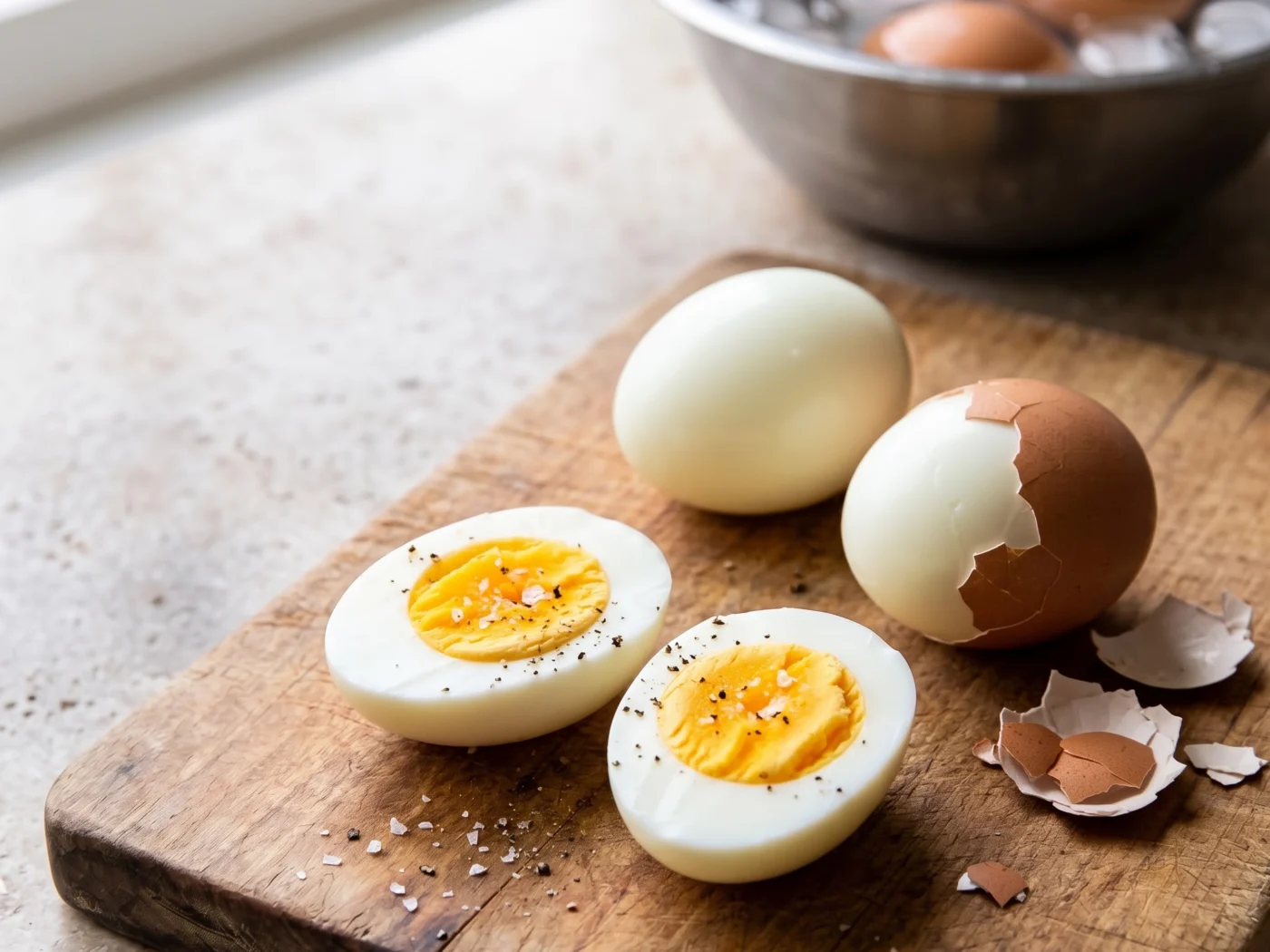
Many of us love to eat hard boiled eggs, and we all have the question: how to make hard boiled eggs? Hard-boiled eggs are not difficult to make, but they do require a few tips to achieve the perfect consistency. Everything from cooking time to water level, cooling down, and peeling is important. If the correct process is used, the whites will be firm, the yolks will be fully cooked, and the shells will come off easily.
Hard-boiled eggs are versatile and are a great source of nutrition, whether eaten for breakfast, as a salad addition, as a snack, or just a quick addition to a sandwich. One big hard-boiled egg packs about 6 grams of protein and is an extremely convenient protein-rich item in the refrigerator. According to the American Egg Board, there are approximately 6 grams of protein in each hard-boiled egg.
How to Make Hard Boiled Eggs
Hard-boiled eggs are made with cold water in a covered pan. Bring the water to a boil and remove it from the heat, but do not take off the cover. If using larger eggs, let the eggs sit in the hot water for approximately 12 minutes. It’s an easy and effective strategy!
Step-by-Step Cooking Method
Step 1: Put the Eggs in a Pot
Start by laying the eggs in a single layer in a saucepan.
Eggs don’t need to be stacked, as they can cook unevenly. Use a pan in which the eggs will fit without touching.
Step 2: Add Cold Water
Add cold tap water to the pan.
Try to keep the water at least 1 inch above the eggs. This will allow the eggs to float over the water when they’re placed in the water for cooking. Fill the container with eggs and water to at least 1 inch deep.
Step 3: Bring Water to a Boil
Place the pan over high heat.
Bring the water to a boil. Once the water boils, turn off the heat and allow it to cool, covered with a lid.
This technique slowly uses the warmth of the water so that the whites are tender, rather than rubbery. Learn this easy method to make perfect eggs every single time!
Step 4: Leave the Eggs to Stand
When cooking eggs in hot water, it’s important not to uncover the pan.
If following the American Egg Board method, wait approximately 12 minutes for large eggs. Medium eggs take about 9 minutes, and extra-large eggs require about 15 minutes.
It is a bit different with the USDA method of timing: cook for 15 minutes until the water boils, and then turn off the heat.
Always cook one way and never cook using a combination of cooking times to ensure consistency of results.
How to Boil Eggs for Different Results
Cooking will alter the texture of the yolk.
Fully Firm Yolk
Traditional hard-boiled eggs should be cooked until the protein in the egg (both yolk and white) becomes firm. This affects the texture of your egg salad, sandwiches, and chopped eggs.
Avoid Overcooking
A greenish-gray ring may be formed around the yolk when food is cooked for an extended period of time. Have you ever seen a change in the color of boiled eggs? The American Egg Board says that this is a harmless reaction between sulfur in the egg white and iron in the yolk. This effect may be minimised by gently cooking the eggs and setting them on the table quickly.
Why the Ice Bath Matters
What Is Thermal Shock?
If the hot eggs are put directly in very cold water, thermal shock is created.
When cooking, drain the hot water after cooking. Put eggs into a bowl of ice-cold water.
This usually occurs when the temperature changes quickly and the cooking process stops, which helps to cool the eggs and make them easier to handle.
The American Egg Board says it is recommended to shock cooked eggs in ice water and that the egg contracts slightly inside the shell during cooling.
That little contraction is helpful to peel the eggshell and membrane away from the cooked egg.
Allow eggs to cool thoroughly in an ice bath. It takes most homes a few minutes to an hour, or 5-10 minutes.
Patience is the key to peeling an egg; wait until the egg is cool. While the white membrane can still be attached, there is a lot of messiness when peeling the membrane off.
How to Peel Hard-Boiled Eggs Easily
Begin at the Large End
Once the eggs have cooled, lightly tap them on the counter.
Crack the shell, both on the outside and in one spot. Rub the egg to loosen the shell.
Begin to peel from the thicker end. This area will usually provide you with a little space between the shell and egg.
Then, peel them under cool running water. As you go, the water helps to wash away the minuscule shell fragments as you do.
Use Older Eggs for Easier Peeling
Also, older eggs will peel off with less effort. You can keep your eggs in the fridge for approximately 10 days or a full week before using them to make it easier to peel. Fresh eggs will stick to the shell; they can be given some time.
If you are making deviled eggs for a party, then don’t use eggs that you purchased on that day.
Common Hard-boiled Egg Mistakes
Using too Little Water
Keep at least 1 inch of water boiling on top of the eggs. They will need to be fed constant heat to ensure good cooking.
Skipping the Ice Bath
Eggs will keep cooking if they’re not rapidly cooled from the heat remaining. This can result in hard whites and an overcooked yolk.
Cooking for Too Long
Not always; the longer the cooking time, the better the eggs will be. May give the whites a rubbery texture and can help form a green ring around the yolk.
Peeling Before Cooling
Never remove the hot eggs from the boil! They will stick! And, again, you don’t want to remove hot eggs from the boil!
Piercing the Shell
Do not poke holes in eggs before cooking. The American Egg Board does not recommend it, as it can become a source of bacteria and make small cracks in the shell if it is not sterile.
Lastly
The key to how to make hard boiled eggs is the amount of heat and cooling. For cold water, add the eggs, increase the heat, bring to a boil, cover, and cook for the proper time. Put them in a water bath and freeze to halt cooking.
To easily peel your eggs, cool them thoroughly and fully crack the egg before peeling from the bigger side. This simple way will guarantee you will always have firm and tender eggs with clean shells.
Frequently asked questions
Large eggs usually need about 12 minutes in hot water after boiling.
Starting eggs in cold water helps them heat gradually and cook evenly.
Keep at least one inch of water above the eggs while cooking.
The white and yolk should feel firm when the egg is cut open.
Overcooking can create a harmless reaction between sulfur and iron around the yolk.
Comments 0