
How to Get Rid of Dark Knees and Elbows

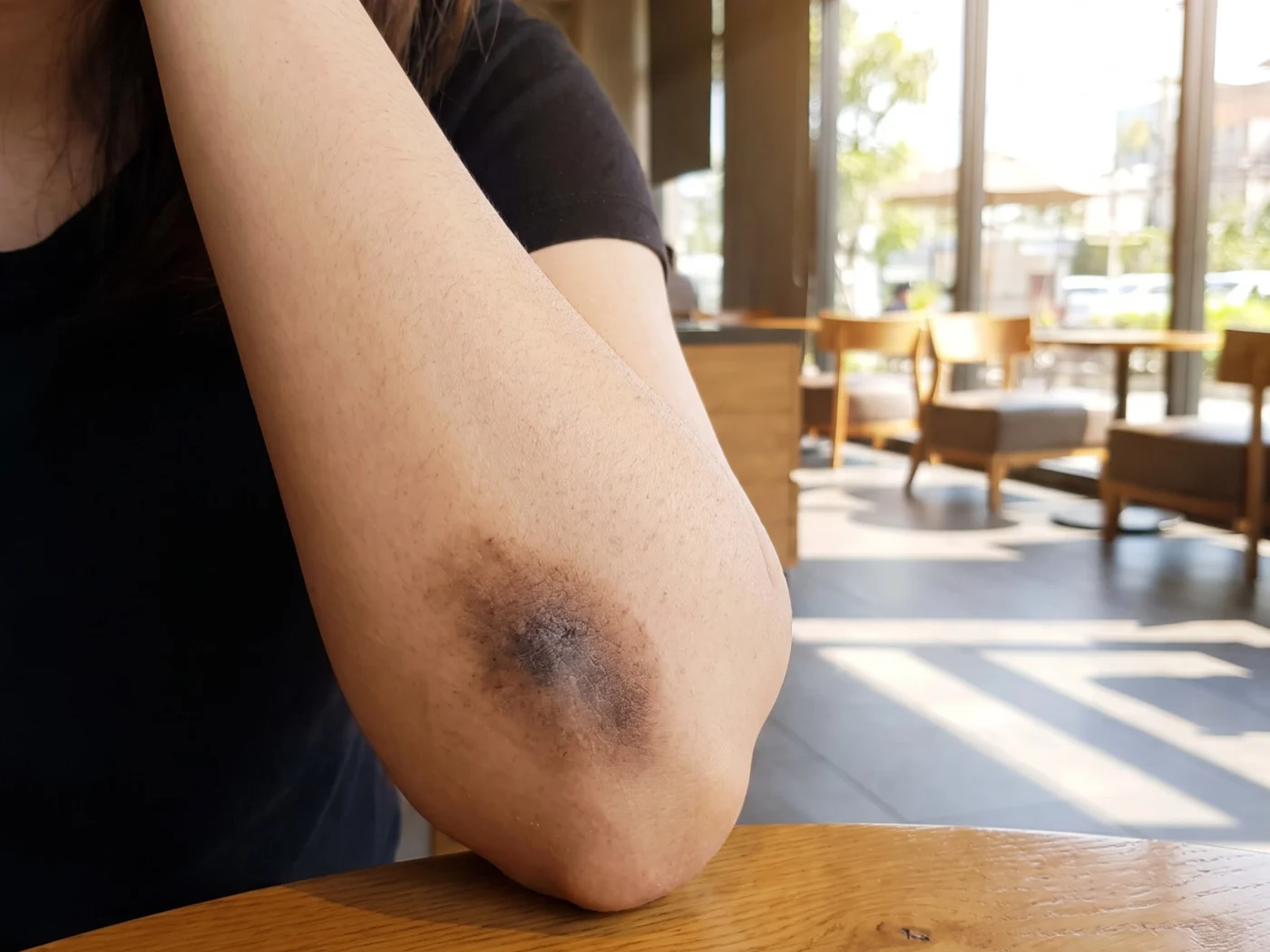
You can create a comprehensive skincare routine, stick to it for months, and completely forget about the knees and elbows until sleeveless top or shorts remind you they are there.
Dark knees and elbows are one of the most common, but also most overlooked skin conditions. They are not a symptom of poor hygiene, while they also are not permanent. They do require particular attention though, the skin in these areas being structurally different, and your regular body lotion probably not being sufficient.
Here is what is actually causing it, and what genuinely works.
Why Knees and Elbows Get Darker
The skin on your knees and elbows is structurally different than anywhere else. Thicker, less oily, constantly folded and put under pressure for years.
Several factors contribute to darkening in these particular areas.
Friction and pressure: constant friction against clothes and surfaces leads to the skin thickening and producing more melanin as a self-protection mechanism. The darker the skin is the longer this condition has been present.
Dryness: knees and elbows have few sebaceous glands in comparison to the rest of the body, meaning they cannot moisturise themselves easily. As a result, these areas tend to be dry and rugged, the dead cells accumulating on the surface making the skin look darker and duller than it actually is.
Dead skin buildup: due to the lack of natural moisturisation and constant friction dead cells on the surface of the skin in these areas accumulate faster than elsewhere. The accumulation is often also the thing you see when looking at a dark elbow or knee.
Sun exposure without sunscreen: most people apply sunscreen on their face and arms, but rarely on their legs. Exposed skin will naturally start accumulating melanin when exposed to UV rays, which increases the visible darkness of these skin areas.
Post-inflammatory hyperpigmentation: any injury, rash, bite, or cut on the knees and elbows can leave the area slightly darker than average once it heals. Over the years this adds up visibly.
Genetics and skin tone: deeper skin tones naturally have more melanin, meaning the accumulation on dark areas will visibly be more prominent. This does not mean the condition cannot be improved, it just means realistic expectations and consistent effort matter.
Home Remedies That Actually Help
Lemon juice and sugar scrub: Lemon juice contains citric acid which gently exfoliates and lightens the skin. Mixed with sugar it becomes a physical scrub that removes dead skin while the acid in it works underneath. Apply the mixture to slightly damp knees and elbows, gently scrubbing in circular motions for about two minutes, then rinse. Apply two to three times a week. Do not apply this remedy in the morning if you are going to be in the sun during the day, as citric acid increases photosensitivity.
Baking soda paste: Mix baking soda with enough water to create a thick paste. Apply it to the desired area, let it sit for five minutes, and gently scrub it off. Baking soda has mild abrasive qualities, helping to remove dead skin, while the alkaline nature of it combats surface discoloration. Do not use this remedy more than once a week, as it can be overly drying.
Coconut oil massage: Coconut oil is one of the best basic moisturisers there are for the knees and elbows, as it penetrates the thick skin in these areas exceptionally well. Massage a small amount of it into the skin every night before going to bed. Over time it will reduce dryness, which also reduces the dull, dark appearance of these areas. Consistent effort over four to six weeks shows a visible difference.
Potato juice: Raw potato contains natural enzymes along with a mild bleaching compound that lightens the surface pigmentation of the skin gradually. Slice a potato and apply the cut side directly to the dark area for about five to ten minutes. Let it sit for an additional ten minutes before rinsing. Apply this remedy daily.
Aloe vera gel: Aloe vera soothes, hydrates, and gently lightens the skin over time. Apply the fresh gel directly to the knees and elbows, leave it on for twenty minutes, then rinse. It is gentle enough for a daily remedy, and it works exceptionally well if the area is also irritated or sensitive.
Turmeric and yogurt pack: A classic combination in Indian skin care. Turmeric contains anti-inflammatory agents and has a brightening effect. Yogurt contains lactic acid that gently exfoliates. Mix half a teaspoon of turmeric into two tablespoons of plain yogurt, apply it to both areas, leave it on for fifteen minutes, then rinse thoroughly. Apply this remedy two to three times a week. Be careful not to let the mixture sit for too long, as turmeric can stain fabric and leave a yellow tint on the skin.
Milk cream and honey: Milk cream contains both fat and lactic acid that help to gradually lighten the skin. Honey is a natural humectant that pulls moisture into the skin. Apply the mixture, leave it on for twenty minutes, then rinse. This is one of the gentler options, as well as works exceptionally well on sensitive skin.
Products That Help
Certain ingredients in commercial skincare products specifically target hyperpigmentation and dryness in these areas.
Look for body lotions or creams that have lactic or glycolic acid, as they chemically exfoliate, lightening dark patches with time. Vitamin C in a body serum brightens and protects against further sun damage. Shea butter or creams with urea address thicker, rougher skin and improve both texture and colour gradually. Kojic acid is also an effective ingredient, available in both face and body products, that works well on stubborn darkening.
Apply these products on slightly damp skin after bathing for the best results.
Daily Habits That Make a Difference
Most darkening in these areas come from habits that are entirely changeable.
Moisturise your knees and elbows every single day, without exception. It takes ten seconds and is the single most effective long-term habit for this issue.
Apply sunscreen on your knees whenever they are exposed to the sun. This one step prevents further darkening while your remedies work on the existing ones.
Avoid resting your elbows on hard surfaces for long periods of time. A small change that has significant benefits on the pressure-related darkening.
Wear knee pads if your work/athletics involves frequent kneeling. Gardening, floor exercises, and some sports are significant contributors for dark knees for people that do them regularly.
Exfoliate these areas two to three times a week as part of a bath/shower routine. A simple scrub is enough, the regularity being more important.
How Long Does It Take to See Results
Light darkening that is primarily the result of dryness and dead skin buildup can visibly improve in two to four weeks of daily moisturising and exfoliation.
Severe pigmentation from years of friction and sun exposure on the other hand takes longer. Most people see a meaningful difference after six to eight weeks of consistent home treatment.
Severe and long-standing darkening may not respond adequately to home remedies. In such cases a dermatologist can recommend targeted treatments that will help lighten these areas faster and more thoroughly.
When to See a Dermatologist
If you’ve been consistently applying at-home remedies for eight weeks and there hasn’t been a visible improvement, or if the darkening is unusually severe, it’s worth getting a professional opinion. Thick, velvety skin texture in these areas in particular can be a sign of an underlying condition.
Dark knees and elbows are not a permanent fixture. They are the result of specific, understandable causes that respond well to specific, consistent attention.
Pick two or three of the remedies above, add a daily moisturising and sunscreen habit, and give it six to eight weeks. The results will not happen overnight, but they will come, and once you build the habit, maintaining them takes almost no effort.
Frequently asked questions
With consistent treatment and a change in habits like regular moisturising and exfoliation, followed by the use of sunscreen, the improvement can be long-lasting. However, if the habits that caused the darkening continue, the skin will darken again over time.
Two to three times a week is enough. Excessive exfoliation can irritate the skin and make it produce more melanin.
Hydration helps to maintain the skin's general health and reduces the severity of the dryness-related darkening. It is not a treatment on its own, but it supports the other remedies used on these areas.
Yes, genetics do play a part in how much melanin your skin produces in these high-friction areas. If your parents or siblings have the same concern, you might be predisposed to more pronounced darkening. This does not mean it cannot be improved, it just means consistent care matters more.


Comments 0